
What Keys Cannot Be Duplicated?
- A Do Not Duplicate stamp is mostly a request. The key is cut on the same blank as a plain key, and many shops will copy it.
- The keys that truly can't be copied at a store are restricted and patented keys. The blank is not sold to the public, and only an authorized dealer can cut one.
- Factory only keys are the top level. No local shop cuts them. Copies come from the maker after a signed request.
- Post office lock keys are off limits by federal law. Making one without the right to is a crime with up to ten years in prison.
- California is different. A licensed locksmith there may not copy a Do Not Duplicate key that also shows the issuing company's name and phone number.
- If you want keys nobody can copy, put in a restricted or patented system. A stamp alone will not do it.
Sections7
Why a Do Not Duplicate Stamp Doesn't Stop Most Copies
We list thousands of locksmiths, and this question comes up all the time. Somebody holds up a key that says Do Not Duplicate and asks if it can be copied. The answer surprises people. Most of the time, yes.
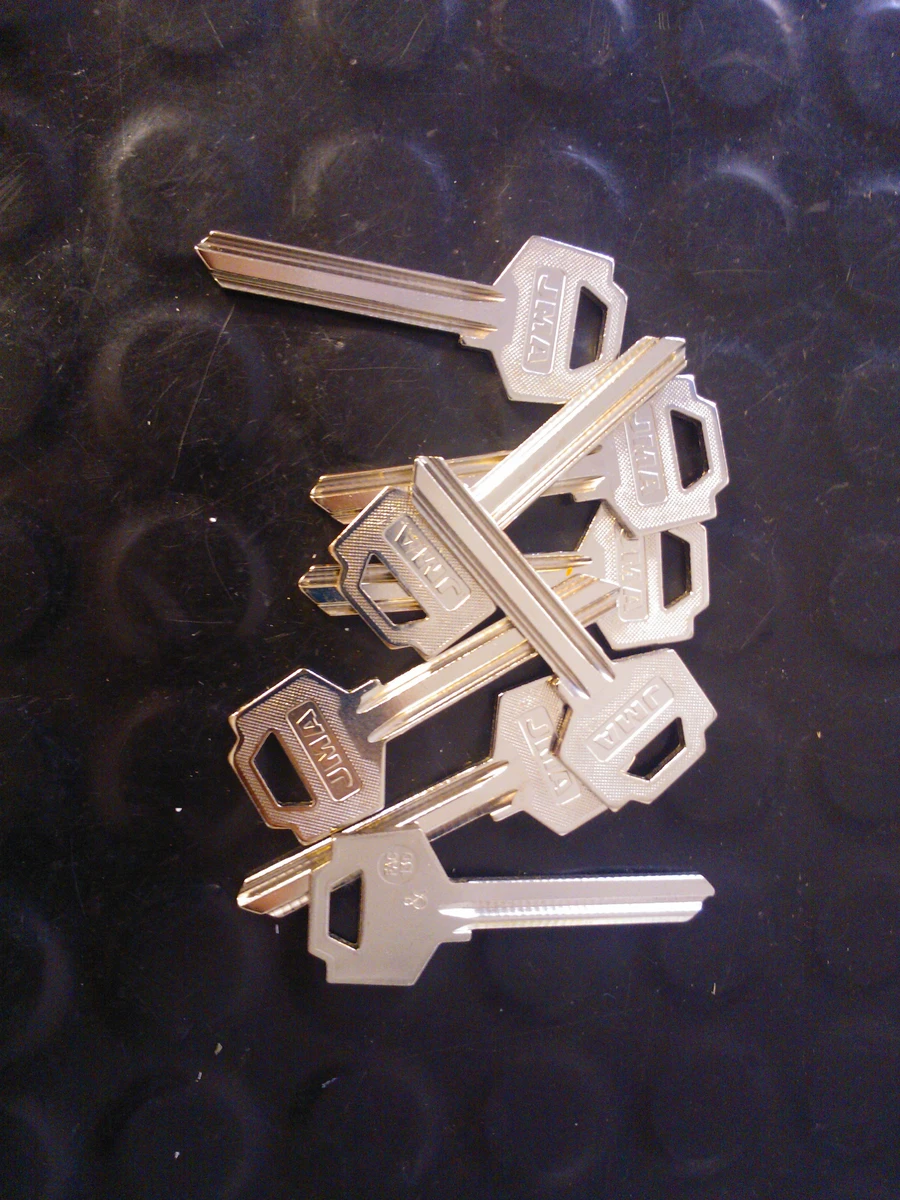
The reason is simple. A Do Not Duplicate key is cut from the same blank as a plain key. The words are stamped on the bow, and that is the only difference. Nothing in the metal stops a key machine.
The key control article on Wikipedia lays this out as a ladder with five levels. A stamped key sits on level four, just one step above a plain key. It notes that many stores refuse to copy them, but the blank is still sold everywhere. The Associated Locksmiths of America calls the stamp "deceptive because it provides a false sense of security." We agree with that.
So a stamp works like a sign on a door. It tells straight shooters what you want. It does nothing about the rest.
The Keys That Really Can't Be Copied at a Store
Restricted Keyways
A restricted key is cut from a blank that is not sold in stores. The same key control article says these blanks often come from only one source, and that source sets the rules for who gets copies. A hardware store or a kiosk can't copy one because it can't buy the blank.
Patented Keys
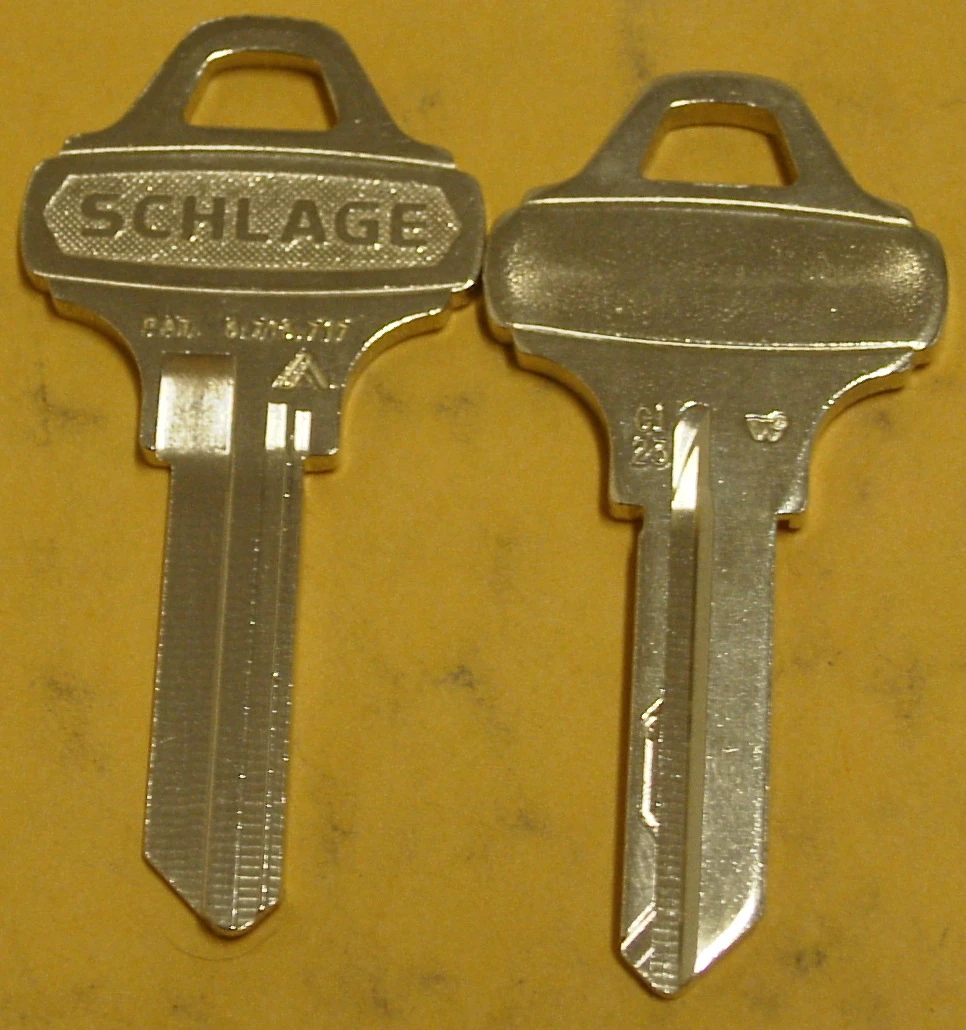
A patented key is a restricted key with a second wall around it. Patent law stops other companies from making the blank. Brands you will see on these keys include Medeco, Mul-T-Lock, Abloy and Schlage Primus. To get a copy, you go back to an authorized dealer, and the dealer follows the maker's rules for who may get one.
One thing the top results skip. A patent does not last forever. A U.S. utility patent runs about 20 years from the date it was filed, per the U.S. Patent and Trademark Office. When you buy a patented system, ask the locksmith how many years are left on the patent that protects your keyway. That tells you how long the protection really lasts.
Factory Only Keys
This is the top level. Per the key control article, the keys can't be cut locally at all. A new key needs an authorization request to the factory, and the factory keeps a record of each key it makes.
Electronic Keys
Some newer systems put a chip in the key. Even if somebody copies the metal shape, the lock still checks the chip. iLOQ, a maker of these locks, says lost keys can be shut off from the system. That is the other way to stop copies. You don't stop the copy, you make it worthless.
Keys the Law Protects
Post Office and Mailbox Lock Keys
Federal law covers keys to Postal Service locks. Under 18 U.S.C. 1704, a person who knowingly and unlawfully makes, forges or counterfeits one of these keys can be fined, sent to prison for up to ten years, or both. No locksmith or kiosk should cut one. If you lost the key to your mailbox, ask your post office, or your property manager if the box belongs to your building.
California's Do Not Duplicate Rule
Most guides say a Do Not Duplicate stamp has no legal weight anywhere. That is wrong in California.
California Business and Professions Code section 6980.54 says a licensed locksmith may not copy a key stamped Do Not Duplicate or Unlawful To Duplicate when the key also shows the originator's company name and phone number. The same section bars copies of a restricted or high security key that shows the company name and phone number or a registration number.
Note what it covers. It binds locksmiths licensed by the state. A stamp with no company name and phone on it does not trigger the rule. If you run a building in California and want the stamp to mean something, have your locksmith put the company name and number on the key.
California also has a paper trail rule. Under Penal Code section 466.8, anyone who makes a key for a home or business by working on the door itself has to take the buyer's name, address, phone, date of birth and ID number on a work order. The order is kept for two years. Breaking that rule is a misdemeanor. The same section says it does not stop copying a key from another key.
Who Can Copy Which Key
Use this as a quick check before you drive anywhere. It covers the U.S. and the California rule above.
| Your key | Hardware store or kiosk | Any locksmith | Who can copy it |
|---|---|---|---|
| Plain house key | Yes | Yes | Anyone with the blank |
| Do Not Duplicate stamp only | Some will, some won't | Usually, outside California | Store policy decides |
| Do Not Duplicate plus a company name and phone, in California | Store policy decides | No, by state law | The company on the key |
| Restricted or patented key (Medeco, Mul-T-Lock, Abloy, Schlage Primus and others) | No | Only an authorized dealer | The dealer on file, with the owner's OK |
| Factory only key | No | No | The factory, after an authorization request |
| Post office or mailbox lock key | No | No | The Postal Service |
| Car key with a chip | Call first | Automotive locksmiths | Cut and pair the chip with the car |
Chip car keys are a different problem. A copy has to be cut and then paired with the car before it will start the engine. California's section 6980.54 says a licensed locksmith there shall be able to copy any vehicle key from another key. Our car key replacement cost guide covers what that costs.
How to Keep Your Keys From Being Copied
If you hand out keys to tenants, staff or a cleaner, this is the order we would go in.
- Count your keys. Write down who has each one. If you can't account for a key, the lock is not under control.
- Rekey when someone leaves. It is the cheap fix. The old keys stop working and the lock stays. Our guide on rekeying versus replacing locks shows when each one makes sense.
- Move to a restricted or patented system for doors that matter. Ask the locksmith who holds the authorization, how a new key gets approved, and how long the patent runs.
- Use electronic access where people come and go a lot. A lost card or fob gets shut off, and no copy works.
- Use a licensed locksmith. Our guide on checking a locksmith's license shows how in a few minutes.
Just moved in? Read our moving into a new home guide first. You don't know how many copies of your old owner's key are out there.
Where Other Guides Slip
The best linked page on this, from Great Valley Lockshop, gets the big idea right. A stamp alone does not stop a copy. But it says no law covers Do Not Duplicate keys and cites no statute for anything. California has one on the books.
Other lists put tubular keys and four sided keys under keys that can't be copied. Those keys are harder to copy, and fewer shops have the machine. But hard is not the same as can't. A locksmith with the right gear can cut them.
The real line is simple. If anyone can buy the blank, someone can copy the key. If the blank is controlled by one company, or the law steps in, the key is truly protected. Need a pro who carries restricted systems? Find a locksmith near you and ask which systems they are authorized for.
One More Thing
What keys cannot be duplicated?
Restricted and patented keys, factory only keys and Postal Service lock keys. Restricted and patented blanks are not sold in stores, so only an authorized dealer can cut them. Making a post office lock key without the right to is a federal crime under 18 U.S.C. 1704.
Can a Do Not Duplicate key be copied?
Usually yes. It is cut from the same blank as a plain key, and the stamp is a request. Many stores refuse, some do not. In California, a licensed locksmith may not copy one that also shows the issuing company's name and phone number.
How do you know if a key cannot be duplicated?
Look at the bow. A brand like Medeco, Mul-T-Lock, Abloy or Schlage Primus, a patent mark, or a key number with a company name usually means a restricted system. A plain bow with only a Do Not Duplicate stamp is an ordinary key.
Will Home Depot copy a do not duplicate key?
It depends on the store and the kiosk policy, so call first. Nothing in the metal stops a machine from cutting a stamped key. A restricted or patented key can't be copied there, because the store can't get the blank.
Is it illegal to duplicate a key that says do not duplicate?
In most states there is no law against it. California is the main exception. Its Business and Professions Code section 6980.54 bars licensed locksmiths from copying a stamped key that shows the originator's company name and phone number. Keys to Postal Service locks are protected by federal law everywhere.
How long does a patented key stay protected?
As long as the patent lasts. A U.S. utility patent runs about 20 years from its filing date. Ask your locksmith how many years are left on the patent for your keyway.
Star Locksmith Listing as a source in Google
Cited Material
| What we cited | Where it came from |
|---|---|
| en.wikipedia.org | en.wikipedia.org |
| california.public.law | california.public.law |
| california.public.law | california.public.law |
| law.cornell.edu | law.cornell.edu |
| uspto.gov | uspto.gov |
| iloq.com | iloq.com |
| gvlock.com | gvlock.com |